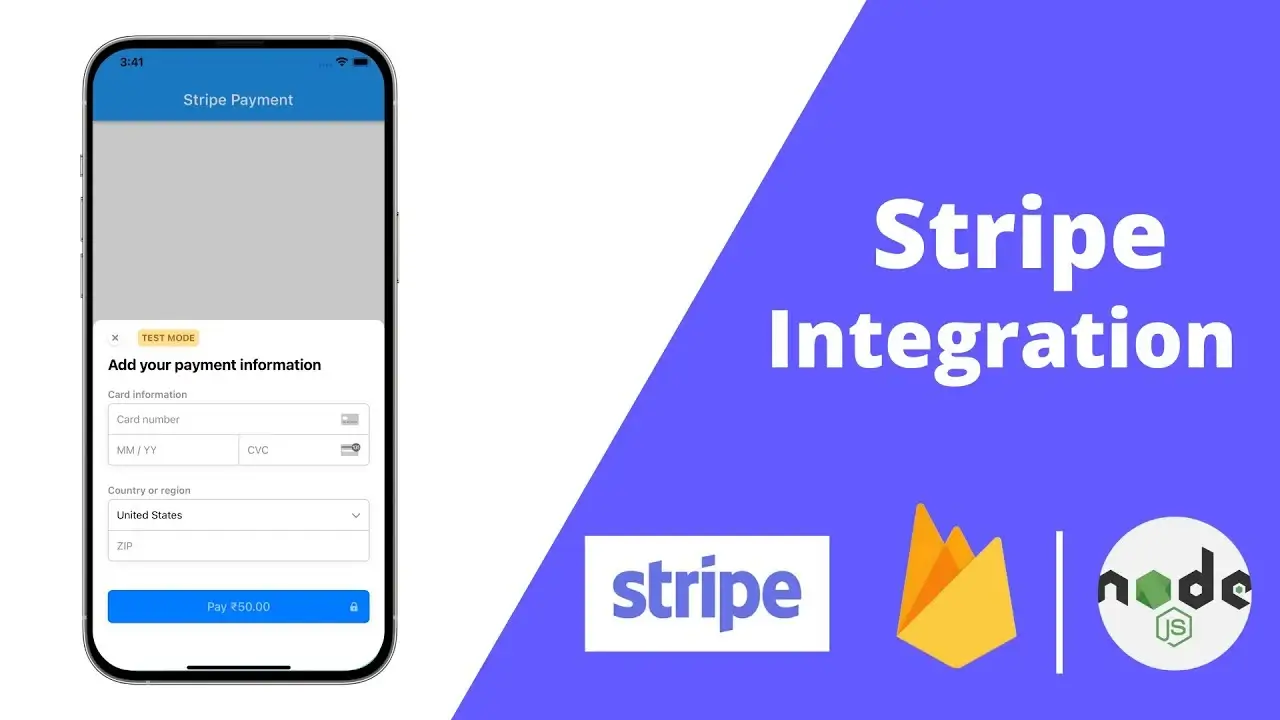
Expanding a business beyond the local market is a logical step for companies aiming to increase revenue and reach a global audience. However, successful international growth is impossible without a stable and user-friendly payment infrastructure. That is why Stripe integration has become a priority solution for online projects focused on global sales.
Traditional bank transfers are rarely suitable for e-commerce. They are slower, less convenient for customers, and offer limited automation. Stripe, on the other hand, is designed specifically for digital businesses and allows you to accept payments from multiple countries through a single, centralized platform.
Why is Stripe considered the best choice for international payments?
Stripe is trusted by thousands of companies worldwide, from startups to large enterprises. The platform provides advanced functionality that helps businesses not only process payments but also build a scalable financial model:
- flexible subscription management and automated recurring billing;
- marketplace support with split payouts between multiple parties;
- integration with mobile apps, CRM systems, and third-party services;
- support for multiple currencies and payment methods;
- analytics and transaction monitoring tools.
Another major advantage is Stripe’s transparent pricing model. There are no setup fees or monthly charges — you only pay a commission for successfully processed transactions.
What do you need to integrate Stripe?
Before connecting Stripe, it is essential to prepare your project in accordance with Stripe’s requirements and card network standards. This significantly reduces the risk of rejection or account suspension.
- A fully functional website or online platform.
- Mandatory legal pages, including Terms of Service, Privacy Policy, and Refund Policy.
- A clear description of your product or service and a transparent pricing model.
- An active Stripe account registered in a supported country.
The main challenge for businesses from the CIS region
Entrepreneurs from CIS countries often face restrictions when trying to register a Stripe account, as the platform does not officially support this region. Independent registration attempts may result in rejection or future fund freezes.
A practical solution is to use a ready-made or custom-registered Stripe account. This approach allows you to launch international payment acceptance quickly and without unnecessary technical or legal complications.
Buying or renting a Stripe account: which option is right for you?
Depending on your business goals, there are two common approaches:
- Buying an account — ideal for long-term projects with stable transaction volumes.
- Renting an account — a good option for startups, niche testing, or short-term projects, with reporting and compliance handled by the legal entity owner.
Both options enable you to legally accept payments from international customers and focus on growing your product, marketing, and customer acquisition.
Stripe integration is not just a technical setup — it is a strategic step toward entering the global market. Proper configuration and choosing a reliable partner help avoid common pitfalls, speed up the launch process, and ensure stable international payment processing. If your goal is to scale your business and work with global customers, Stripe remains one of the most effective payment solutions available today.